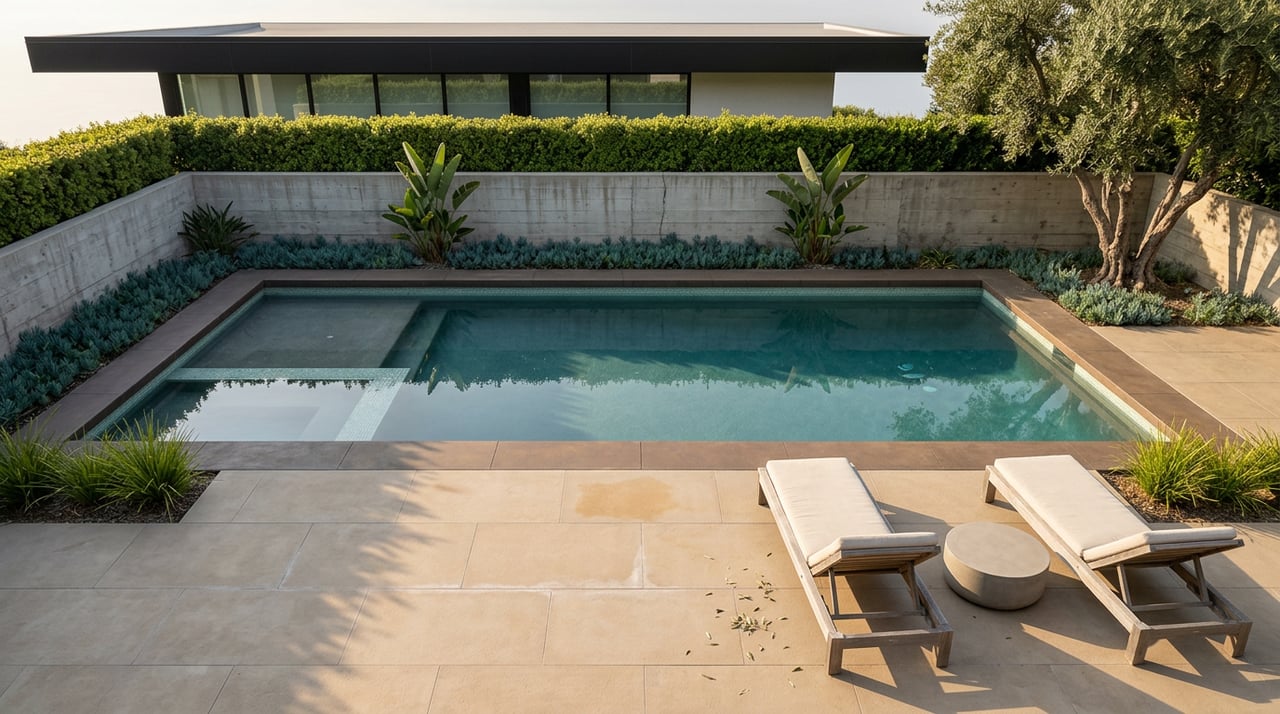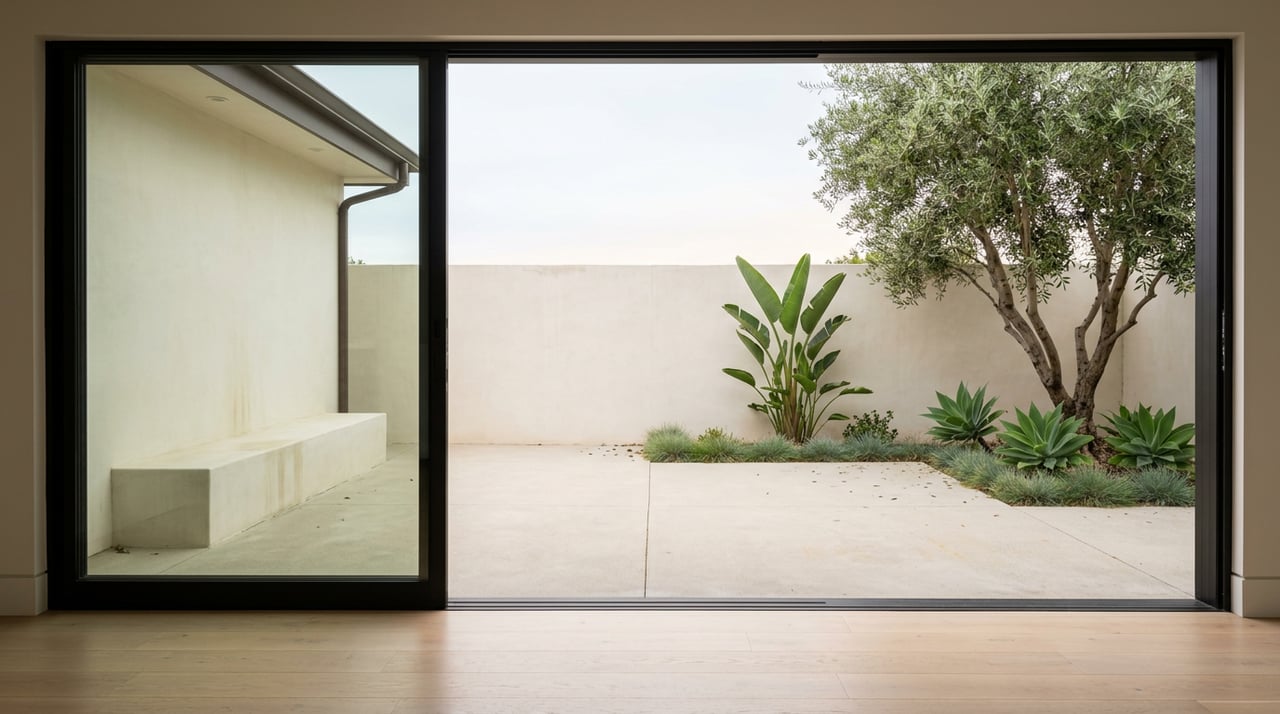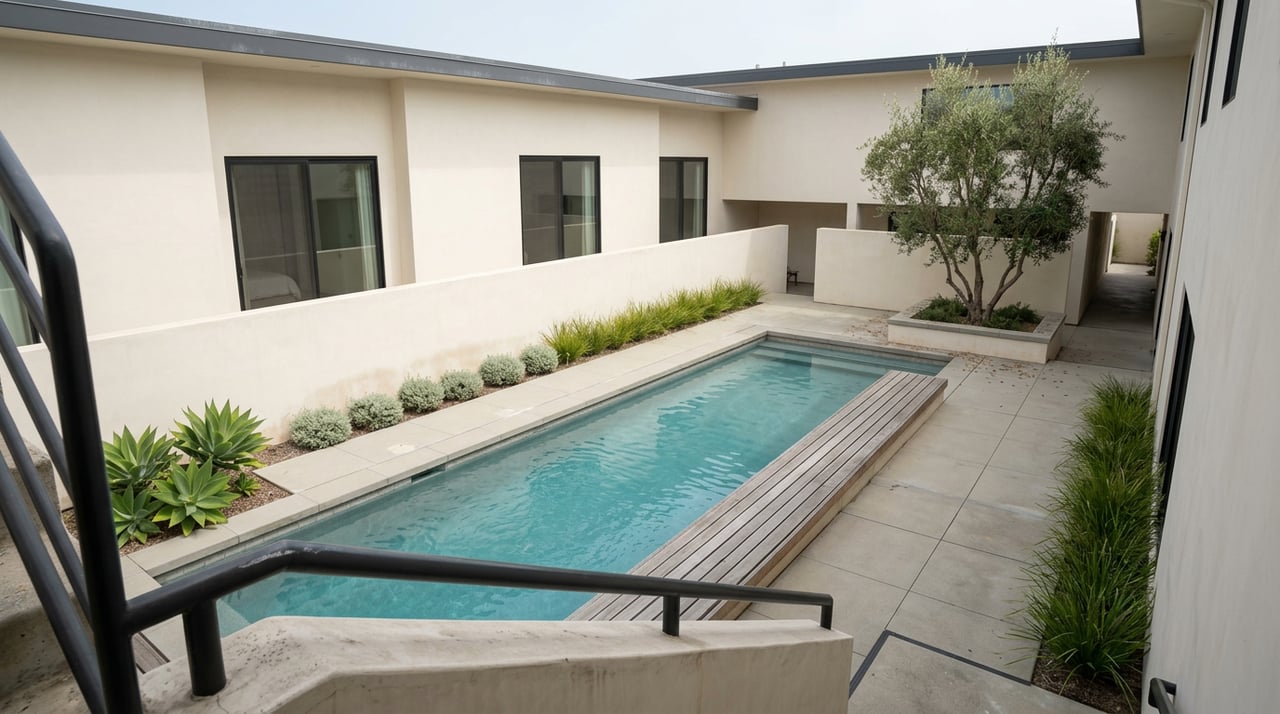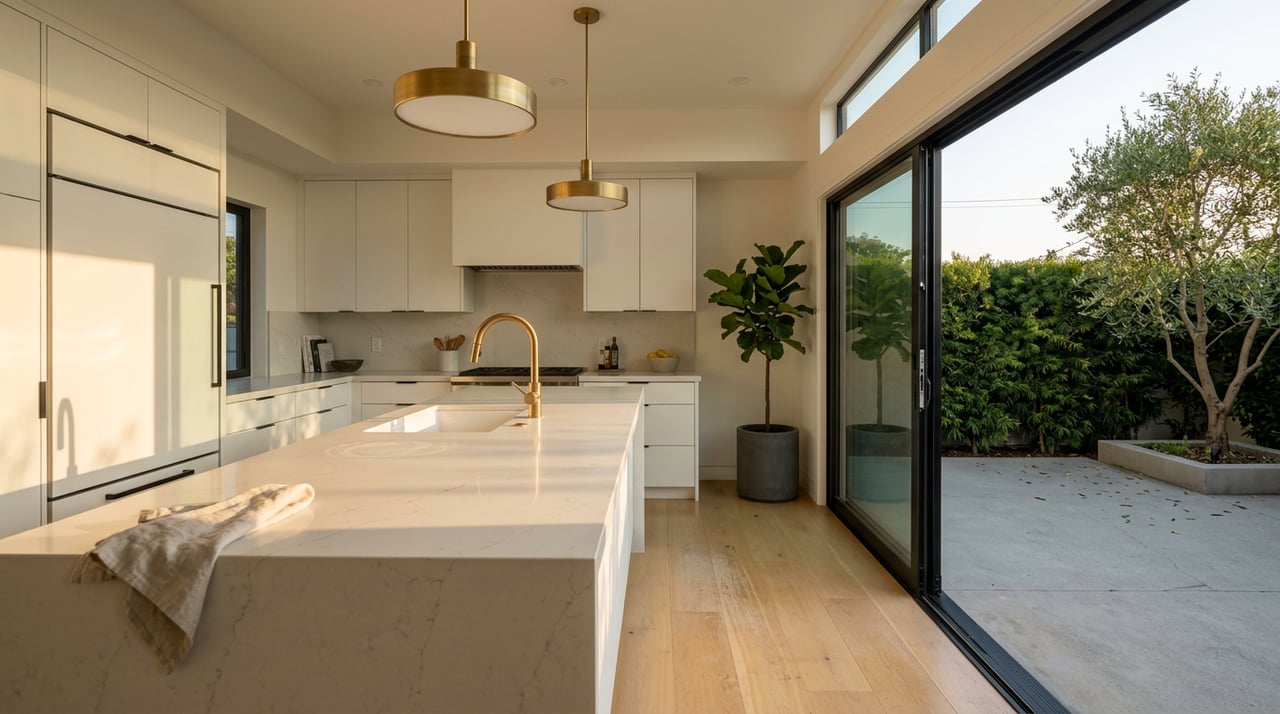
Scroll through Westminster listings long enough and you'll hit a wall of numbers that don't make sense next to each other. A three-bedroom on a standard lot lists near $1.1 million. Two blocks away, a listing for a home with the same bedroom count, a covered porch, and a shared community pool asks $95,000. Same city, same zip code, same MLS feed. The gap isn't a typo and it isn't a steal. It's a sign you've crossed into a different real estate market that happens to share a mailing address with the first one.
That second market is Westminster's cluster of mobile home parks, and buying into it is not a budget version of buying a house. It runs on a different loan product, a different approval process, and a different relationship to the ground the home sits on. Anyone comparing a $95,000 park listing to a $1.1 million single-family home as if they're two points on the same scale is going to be surprised somewhere between the offer and the closing table.
A Second Market Inside The Same Zip Code
As of April 2026, Westminster's median home price sits around $1.09 million with an average sale price closer to $1.12 million, a number driven by the site-built single-family homes and townhomes that make up most of the city's housing stock. At the same time, roughly 30 manufactured homes were listed for sale across the city, priced between $84,999 and $339,999. Those homes sit inside named communities: Driftwood Mobile Estates on Beach Boulevard, Westminster Mobile Estates, Del Prado Mobile Home Park, and Sumerset Mobile Estates, with Beachview Mobile Home Park just across the Huntington Beach line drawing the same buyer pool.
Driftwood, built in 1965 with 178 spaces, sits a block north of Bella Terra and Old World Village and inside walking distance of Little Saigon's markets and restaurants. It's a 55-and-over community, like several of the others, which puts it squarely in the path of a buyer who has already sold a larger house and wants to downsize without leaving the neighborhood.
The blended median that shows up on a portal search averages these two markets together as though they behave the same way. They don't. A buyer who treats a $95,000 park listing as a discounted version of the $1.1 million market is bringing the wrong checklist to the transaction.
Why The Loan Isn't A Mortgage
The first thing that separates these two markets is what's actually being financed. A site-built home in Westminster is real property. The loan is a mortgage secured by the land and the structure together. A manufactured home inside one of these parks almost never includes the land. The buyer owns the home and leases the space beneath it from the park, which means the home is legally personal property, similar in classification to a vehicle, not real estate.
That distinction determines the loan product. Homes not permanently affixed to owned land are financed through a chattel loan rather than a mortgage. The differences show up in the terms.
| Conventional Mortgage (site-built) | Chattel Loan (park home) | |
|---|---|---|
| Secures | Land and structure | Home only |
| Typical term | 30 years | 10 to 25 years |
| Typical rate | Market mortgage rate | Roughly 7 to 11 percent |
| Down payment | Often 5 to 20 percent | Often 5 to 20 percent, sometimes higher |
| Title insurance | Standard | Not typically required |
| Land appraisal | Required | Not applicable |
There's a second date that matters just as much as the loan type: June 15, 1976. Homes built before that date are legally mobile homes under an older, less regulated construction standard, and financing options for them are limited. Homes built after that date are manufactured homes under the HUD code, and lenders are far more willing to write chattel loans against them. A buyer looking at an older unit in one of Westminster's longer-running parks should ask the build date before falling for the floor plan.
The Gatekeeper At Closing Nobody Mentions
A site-built home sale has one gatekeeper: the lender. A park home sale has two, because park management gets a say in who moves in.
California law gives park owners the right to require prior approval of any buyer who intends to keep the home in place, but it also limits how that approval can be withheld. Under Civil Code Section 798.74, a buyer is presumed financially able to pay the park's rent and charges if they've been approved for a loan to purchase the home, or if their income clears a standard the park discloses in advance. That standard cannot exceed three times the buyer's housing-related expenses in the park. Management also can't deny an application simply because the buyer already owns another home or property, and if an application is denied, the buyer can request a meeting within ten business days to have that denial reconsidered.
This isn't paperwork buried at the end of the transaction. It's a second underwriting process running in parallel with the lender's, and it can stall a deal that already cleared financing. A buyer whose loan is approved but whose park application is still pending is not close to done.
The Rent Line That Never Ends
Buying the home doesn't end the payments tied to the ground beneath it. Space rent continues for as long as the home stays in the park, and it isn't fixed for the life of ownership. Park management can raise it, though state law requires 90 days written notice before any increase takes effect under Civil Code Section 798.30. A buyer running the numbers on a $95,000 home needs to build that ongoing space rent into the monthly cost comparison against a mortgage payment on a site-built home, because the sticker price on the manufactured home is only part of what it costs to live there.
Paying off a chattel loan retires the debt on the home. It does not retire the rent on the land beneath it.
That single distinction is the one most first-time park buyers miss, and it's the one that changes the long-term math most.
The Quiet Path Back To A Conventional Mortgage
There's a way to move a park home out of chattel financing entirely, though it isn't quick. If a buyer eventually purchases the land the home sits on, places the home on a permanent foundation, and completes the paperwork to convert its title from personal property to real property, the home becomes eligible for a conventional, FHA, VA, or USDA mortgage. That path involves a foundation inspection and a title conversion process on top of standard loan underwriting, and it only applies to buyers who own or plan to purchase the land outright, which rules out most of the buyers targeting Westminster's existing park communities where the land stays under the park's ownership. For a buyer weighing a park home against a small lot elsewhere in the city, this is the fork in the road worth thinking through before signing anything.
What This Means If You're Actually Buying Or Selling Here
- Confirm whether the home is real property or personal property before comparing its price to anything else on the market. This single fact determines the loan type available.
- Ask the build date. Before June 15, 1976 means limited financing. After that date means standard chattel programs are likely available.
- Get pre-approved for the loan and start the park's buyer application at the same time. Running them sequentially adds weeks to a closing that could otherwise move fast.
- Ask for the park's current space rent and its rent increase history, not just the listing price of the home.
- If long-term equity building matters more than a fast, flexible close, weigh whether a small site-built lot elsewhere in Westminster serves that goal better than a park home ever will.
Where NAMY Fits Into This
Namy Inc. built its lending desk around exactly this kind of complexity. The firm's brokerage and mortgage teams work under one roof, which matters here because a park purchase involves two approval processes running at once, a lender's and a park manager's, and having both conversations coordinated by people who understand the difference saves the weeks that usually get lost to confusion. NAMY's Mortgage for Seniors program was built with this buyer specifically in mind: someone downsizing from a larger Westminster home into a 55-and-over community who needs financing that fits a fixed income and a shorter time horizon, not a 30-year mortgage sized for a first-time buyer decades from retirement.
Frequently Asked Questions
Is a manufactured home in a Westminster park a cheaper way to own real estate in the city? It's a cheaper way to own a home, but the land underneath it usually isn't included. The ongoing space rent is a separate, permanent cost that a conventional mortgage on a site-built home doesn't carry.
Can a park deny a buyer for any reason? No. State law limits denial to specific grounds, mainly the buyer's demonstrated ability to pay park rent and charges, and gives a denied applicant the right to request reconsideration within ten business days.
Does paying off a chattel loan mean the home is paid for free and clear? The loan on the home is retired, but space rent to the park continues as long as the home stays on that lot.
Can a chattel loan ever become a conventional mortgage? Only if the buyer purchases the underlying land, places the home on a permanent foundation, and completes a title conversion from personal to real property. It's a real path, but it depends on land ownership that most park residents don't have.
If you're weighing a purchase in one of Westminster's mobile home parks against a site-built option elsewhere in the city, or you're a current park homeowner trying to understand what your equity actually looks like, Namy Inc can walk through both loan paths side by side and help you see which one actually fits your situation. Schedule a free consultation before you write an offer, not after.